
Climate Change Adaptation and Mitigation Strategies
CCDP, HCDP, SAFAL, FRDP, MJMM, BASUDHA
Major Achievements: The programmes integrated agroforestry, renewable energy, water use efficiency, and GHG-reducing technologies into rural livelihoods to mainstream climate action. The agri-horti- forestry expanded significantly, covering over 568 acres, promoting biodiversity, carbon sequestration, and enhanced farm incomes. These sustainable land-use practices contribute approximately 8 tonnes of CO₂ sequestration per acre.
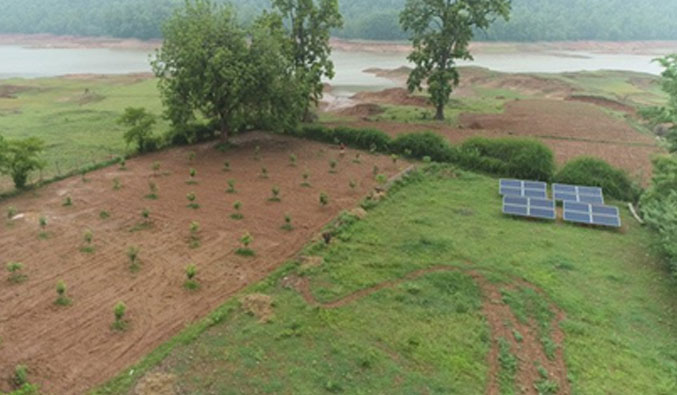
Energy-efficient irrigation solutions were upscaled with the installation of 16 new group-based solar pumps, and 46 individual solar units (0.5 HP each), promoting clean energy adoption and reducing diesel dependence. This green energy initiative generated an estimated 70,000 kWh annually.
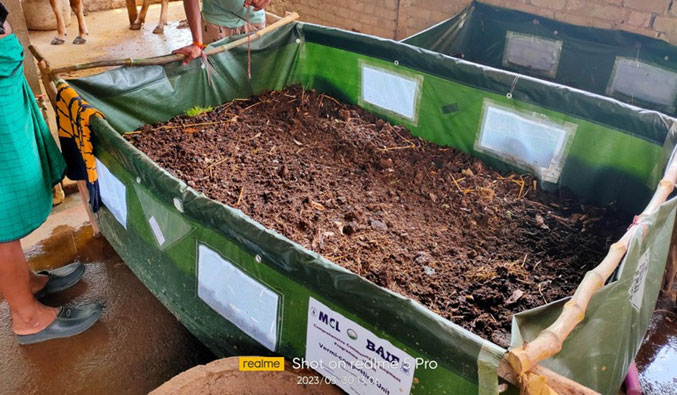
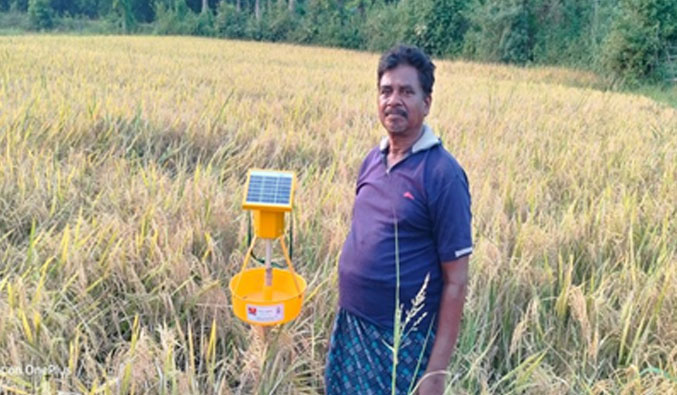
Over 1,000 solar insect traps were introduced, drastically reducing pesticide use and improving soil health. These traps, with a lifespan of 4–5 years, are expected to save ₹2,000 per acre each season. Additionally, vermi beds were distributed to 100 farmers to promote organic soil enrichment, improving fertility and reducing synthetic inputs.
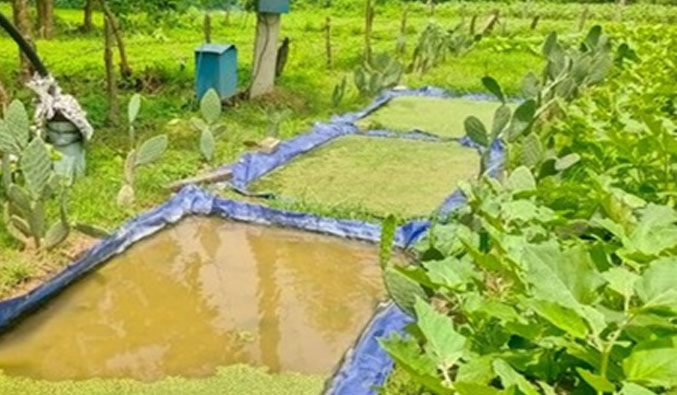
Through sustained engagement and demonstration plots, farmers were trained in soil health management, natural farming, green manuring (azolla), and sustainable crop cycles, ensuring enhanced resilience to climate variability.Cultivating seasonal and perennial fodder enhances ecosystem resilience, reduces erosion, and sequesters carbon. These practices bolster agricultural productivity, livelihoods, and environmental sustainability amidst climate challenges. A total of 355 fodder demonstration plots have been covered so far. Sex-sorted semen technology reduces GHG emissions by optimizing herd size, leading to less dung production and rumination, and thus lower methane emissions. This technology contributes to the dairy sector through the rapid multiplication of female calves.
Over 500 micro-irrigation systems have been installed, which reduce water usage and enhance crop productivity by delivering precise amounts of water directly to plant roots. This technology minimizes evaporation and runoff, conserving water resources and promoting sustainable agricultural practices and climate resilience